About
Mobile Application Development
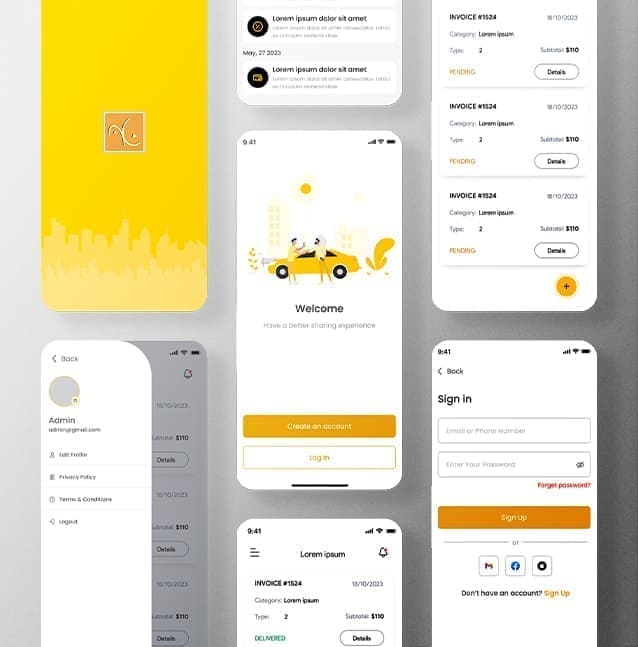
Mobile application development is the process of creating software applications specifically designed to run on mobile devices such as smartphones and tablets. It involves the creation of user interfaces, backend services, and functionalities tailored to the unique features and constraints of mobile platforms. Mobile app development encompasses various stages, including ideation, design, development, testing, deployment, and ongoing maintenance, aiming to deliver seamless and intuitive experiences for users on the go.
Types of
Mobile Application Development

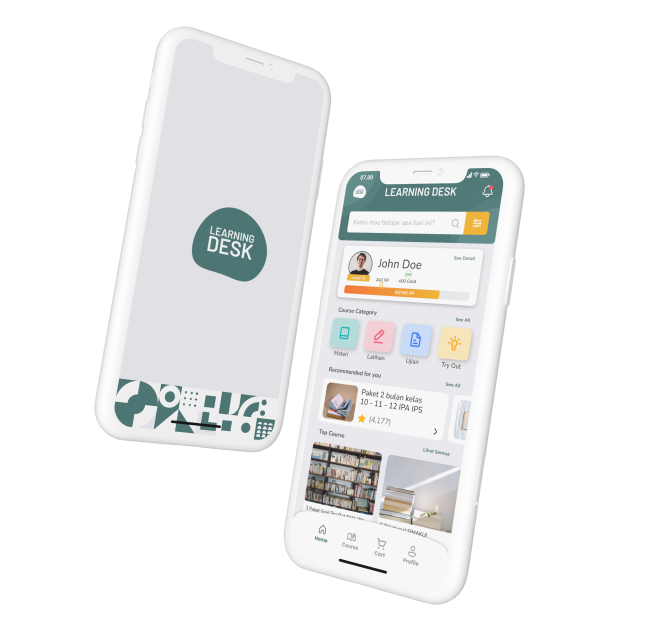
Native Apps
Developed for specific platforms like iOS or Android, offering high performance and optimized user experiences.
Hybrid Apps
Combining elements of both native and web applications, hybrid apps are built using web technologies like HTML, CSS, and JavaScript but run within a native container, providing access to device features.

Progressive Web Apps (PWAs)
Web applications that use modern web capabilities to provide a native app-like experience, including offline access, push notifications, and installation to the home screen.