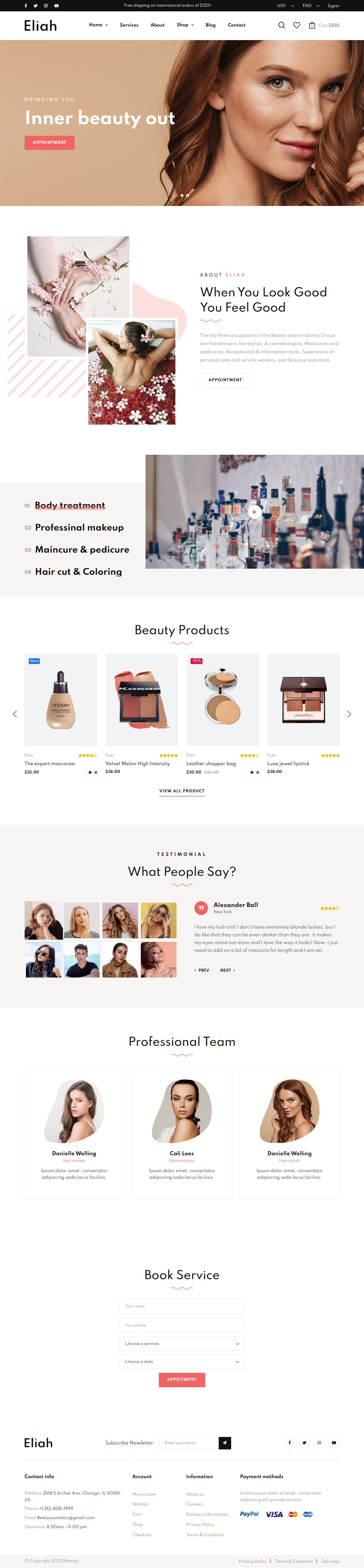
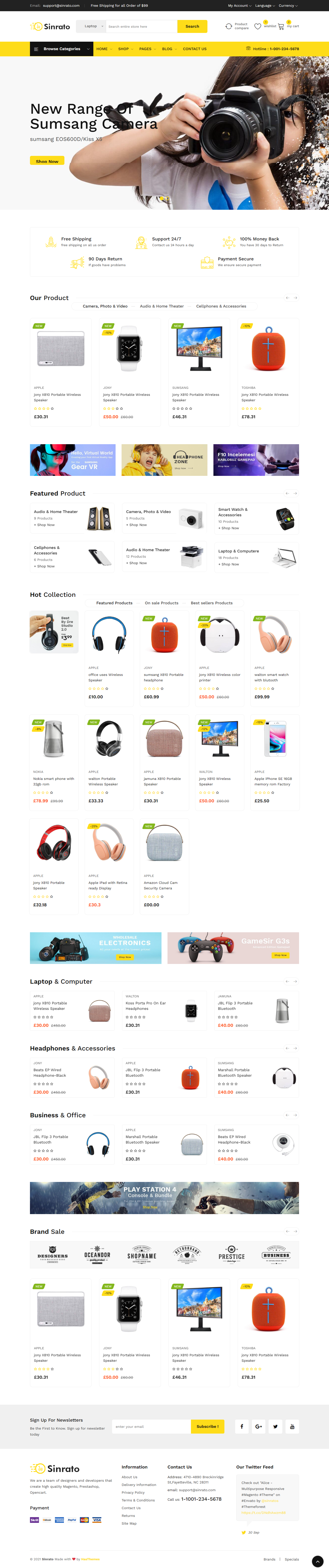
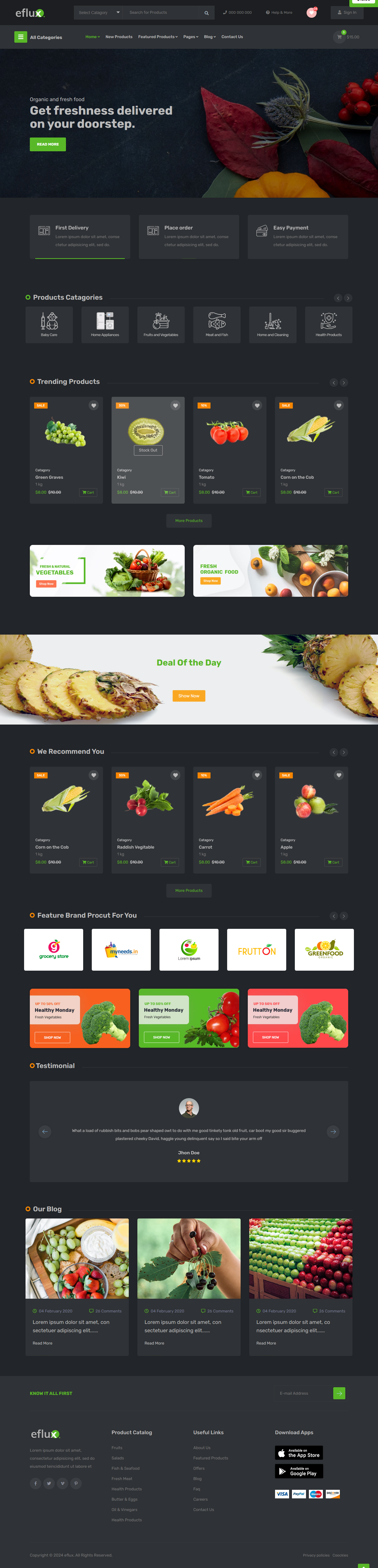
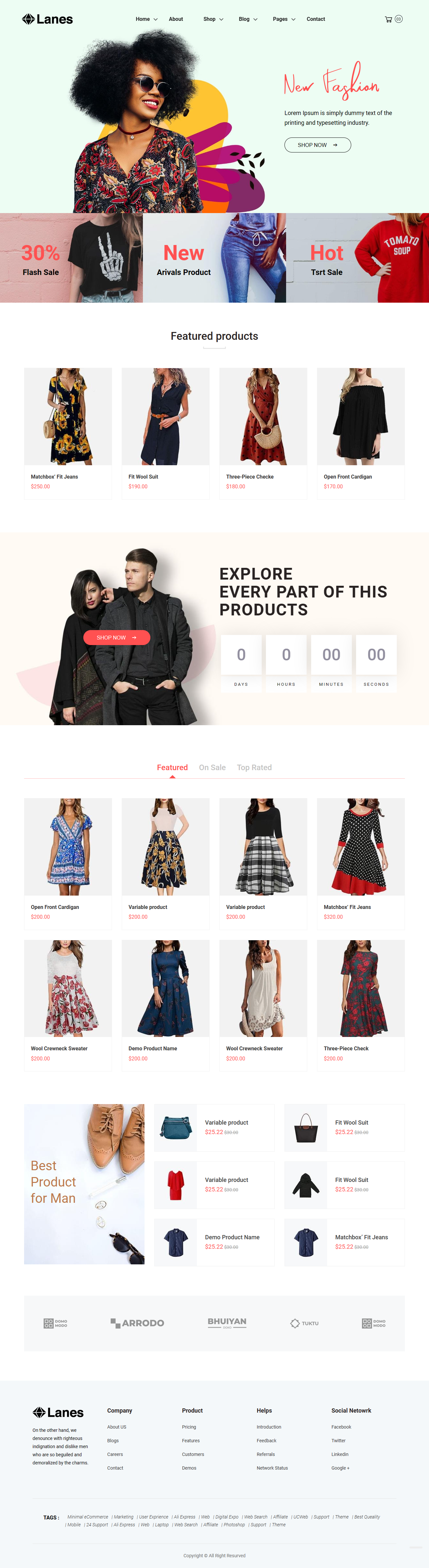
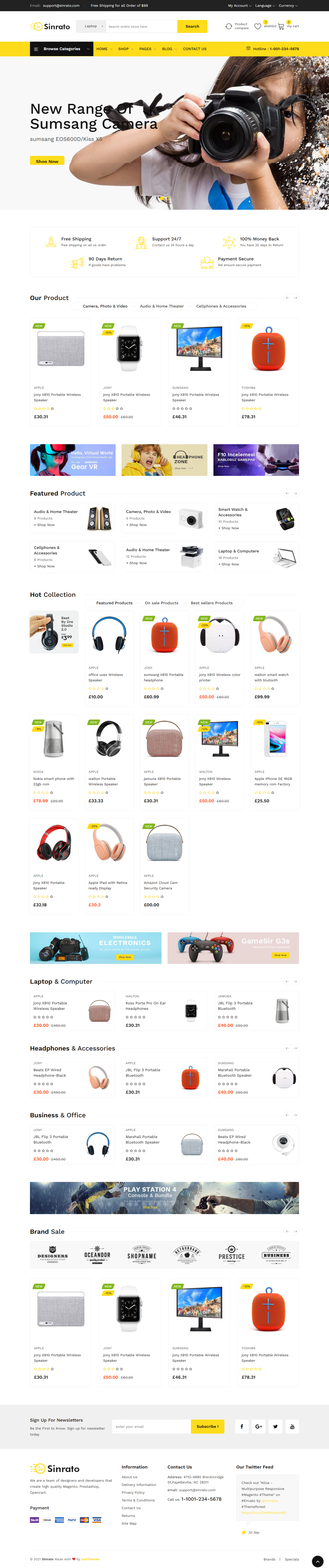
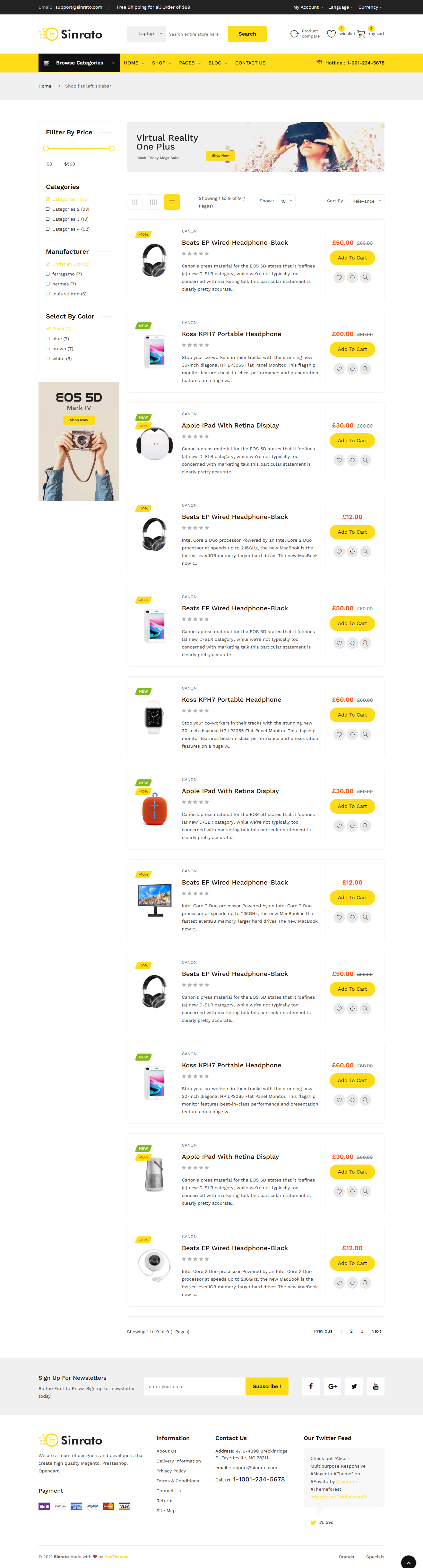
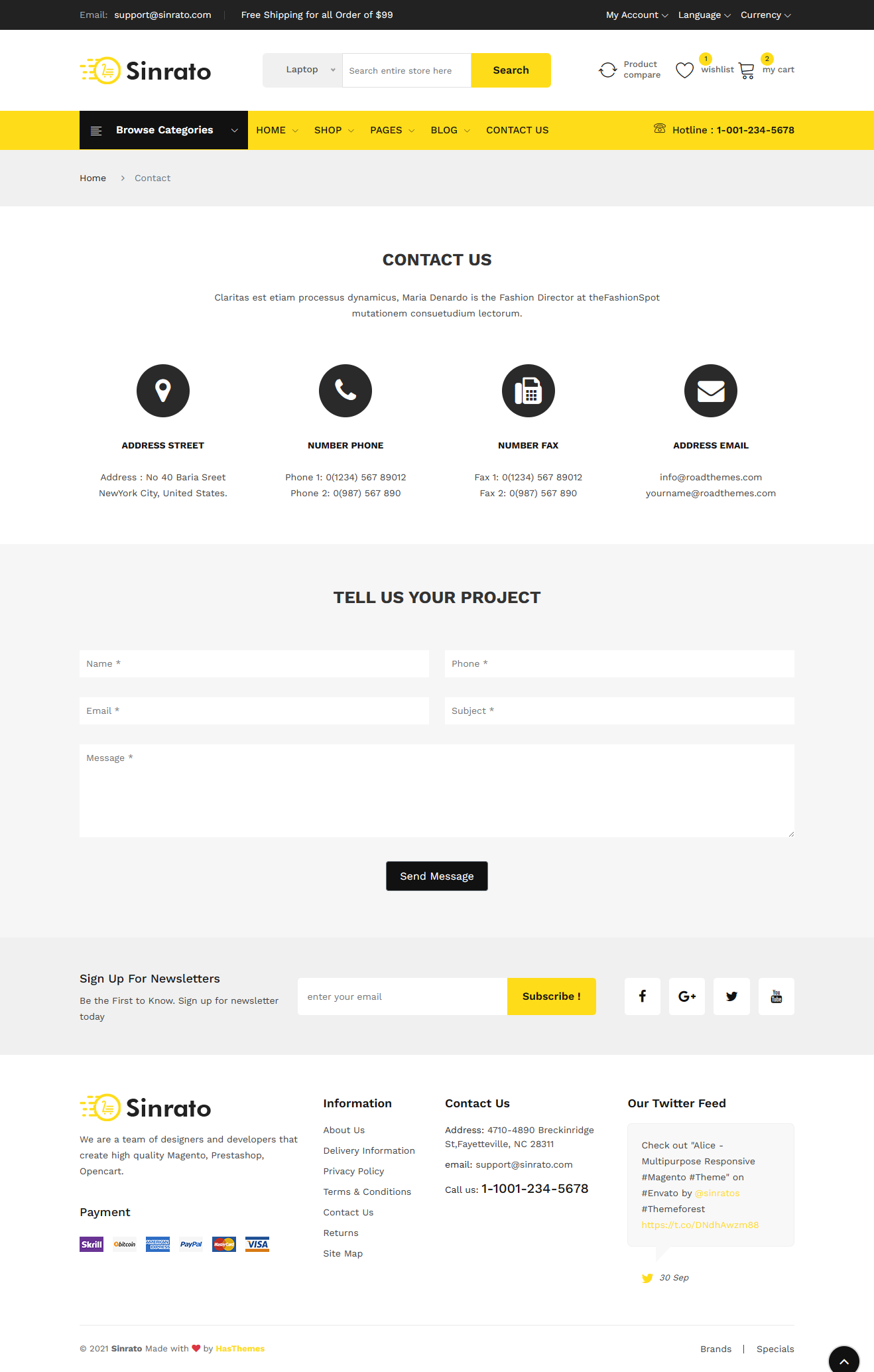
E-commerce, short for electronic commerce, refers to the buying and selling of goods and services over the internet.
E-commerce platforms facilitate transactions, payments, and communication between buyers and sellers. It has transformed the way businesses operate, offering a global marketplace accessible 24/7. From online retail giants to individual sellers, e-commerce has democratized commerce, allowing businesses of all sizes to reach a wider audience and conduct transactions efficiently.
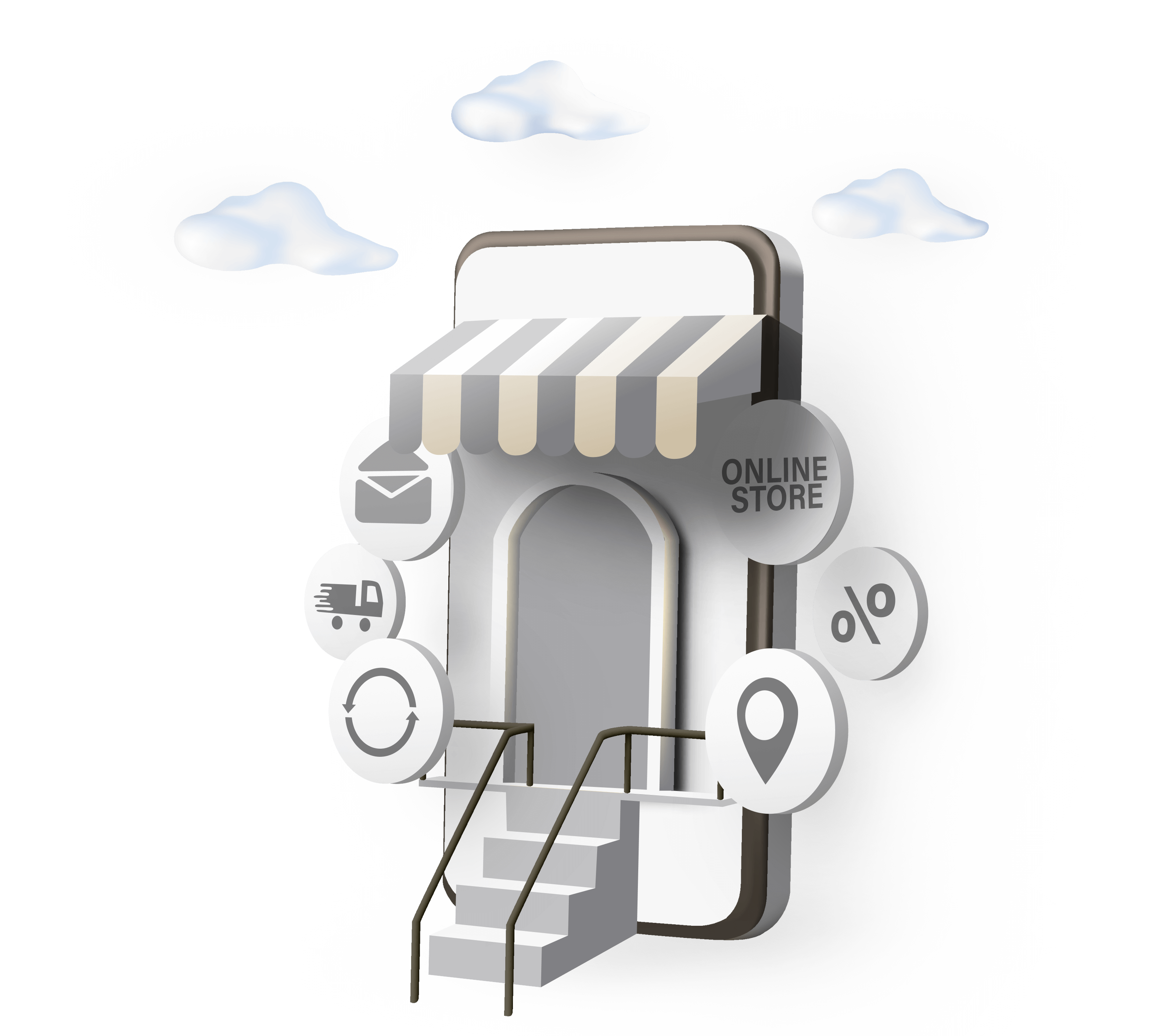
E-commerce breaks geographical barriers, allowing businesses to reach customers worldwide, expanding their market reach and potential customer base exponentially.

Unlike traditional brick-and-mortar stores, e-commerce websites are accessible round the clock, providing convenience to customers and enabling sales even during non-business hours.
Setting up and maintaining an e-commerce store is often more cost-effective than establishing a physical retail presence, with lower overhead costs and reduced expenses on rent, utilities, and staffing.
E-commerce platforms provide valuable insights into customer behaviour, preferences, and purchasing patterns through analytics tools, enabling businesses to tailor their marketing strategies and offerings accordingly.
E-commerce websites can easily scale to accommodate growing business needs, whether it involves expanding product lines, reaching new markets, or handling increased website traffic.
E-commerce development allows businesses to enhance the overall customer experience with features like personalized recommend- ations, easy checkout processes, and resp- onsive customer support, fostering customer loyalty and satisfaction.